


Page 303 - CyberSecurityEssentialsEnglish
P. 303
An  operational  definition  turns  a  concept  into  something  observable  or  measurable.
         “Productivity” may mean the number of transactions, the quality of the product, the time
         taken, sales, or a manager’s rating. “Intensive use of AI” may mean minutes of use,  the

         number  of  tasks,  or  the  proportion  of  work  revised  with  the  tool.  If  we  do  not  fix  the
         meaning, the study may answer a different question from the one the reader assumes.


         A hypothesis is a testable expectation about a relationship or a difference. A null hypothesis

         assumes  no  difference  or  relationship  under  the  statistical  model,  and  an  alternative
         hypothesis  proposes  one.  But  not  every  study  needs  a  directional  hypothesis,  and  a
         hypothesis must not be invented after seeing the results and then presented as though it

         preceded the data. Here the distinction between exploratory and confirmatory analysis is
         essential.

         AI can act as an intellectual opponent: ask it to identify the assumptions embedded in your
         question,  propose  alternative  explanations,  and  say  whether  the  question  confuses

         association with causation or overlooks a mediating or moderating variable. But do not ask
         it to “prove my idea is right”; that builds confirmation bias into the question before any
         evidence is gathered.


         In institutional projects, the question must connect to a decision. Instead of “what do staff

         think of the system?”, the question could be “which factors prevent a transaction being
         completed within the target time, and which of them can be changed within three months?”

         The second question gives the result a use, and stops you collecting attractive data that leads
         to no action.


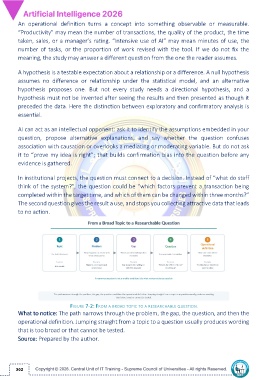
                                FIGURE 7-2: FROM A BROAD TOPIC TO A RESEARCHABLE QUESTION
         What to notice: The path narrows through the problem, the gap, the question, and then the
         operational definition. Jumping straight from a topic to a question usually produces wording

         that is too broad or that cannot be tested.
         Source: Prepared by the author.


        302

