


Page 301 - CyberSecurityEssentialsEnglish
P. 301
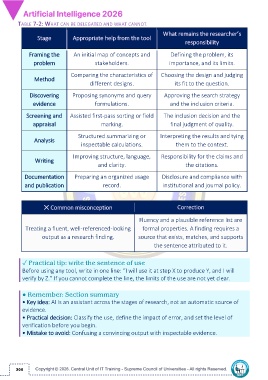
TABLE 7-2: WHAT CAN BE DELEGATED AND WHAT CANNOT

                                                                         What remains the researcher’s
                  Stage          Appropriate help from the tool
                                                                                   responsibility

              Framing the         An initial map of concepts and             Defining the problem, its

                problem                    stakeholders.                    importance, and its limits.

                                 Comparing the characteristics of        Choosing the design and judging
                Method
                                         different designs.                    its fit to the question.


              Discovering        Proposing synonyms and query             Approving the search strategy
                evidence                   formulations.                     and the inclusion criteria.

             Screening and      Assisted first-pass sorting or field      The inclusion decision and the

                appraisal                     marking.                       final judgment of quality.

                                    Structured summarizing or           Interpreting the results and tying
                Analysis
                                     inspectable calculations.                 them to the context.

                                 Improving structure, language,          Responsibility for the claims and
                 Writing
                                             and clarity.                          the citations.

            Documentation         Preparing an organized usage           Disclosure and compliance with
            and publication                    record.                   institutional and journal policy.


                     ✕ Common misconception                                     Correction

                                                               Fluency and a plausible reference list are
            Treating a fluent, well-referenced-looking          formal properties. A finding requires a

                    output as a research finding.             source that exists, matches, and supports
                                                                      the sentence attributed to it.


           ✓ Practical tip: write the sentence of use
           Before using any tool, write in one line: “I will use it at step X to produce Y, and I will
           verify by Z.” If you cannot complete the line, the limits of the use are not yet clear.

           ● Remember: Section summary

           • Key idea: AI is an assistant across the stages of research, not an automatic source of
           evidence.
           • Practical decision: Classify the use, define the impact of error, and set the level of
           verification before you begin.
           • Mistake to avoid: Confusing a convincing output with inspectable evidence.


        300

