


Page 211 - CyberSecurityEssentialsEnglish
P. 211
The orchestrator and workers pattern uses a coordinator to break a task into parts and
         distribute them among tools or agents. It helps with composite, unpredictable problems, but
         it raises cost and makes tracing harder, so it should not be used for a task that a fixed chain

         can solve.

         The evaluator and optimizer pattern generates a draft, scores it against declared criteria,
         and improves it. Its real value appears when the evaluation criterion is clear: completeness

         of  elements,  length,  tone,  consistency,  or  conformity  to  a  template.  Asking  a  model  to
         “improve the text” with no criterion may produce only cosmetic changes.

         Human approval stops the flow at an important decision. The patterns can be combined:
         route the request first, then a chain for each type, then an automated evaluation, then

         human approval for sensitive cases.


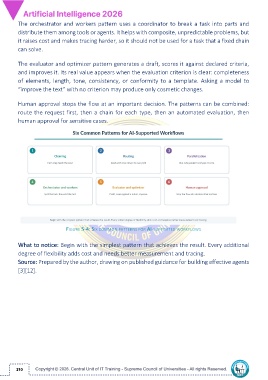
                              FIGURE 5-4: SIX COMMON PATTERNS FOR AI-SUPPORTED WORKFLOWS


         What to notice: Begin with the simplest pattern that achieves the result. Every additional
         degree of flexibility adds cost and needs better measurement and tracing.

         Source: Prepared by the author, drawing on published guidance for building effective agents
         [3][12].


        210

