


Page 221 - CyberSecurityEssentialsEnglish
P. 221
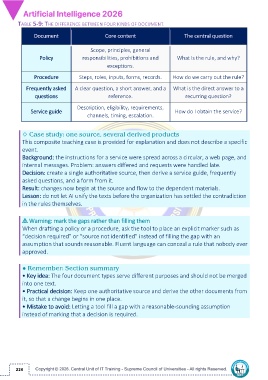
TABLE 5-9: THE DIFFERENCE BETWEEN FOUR KINDS OF DOCUMENT

                Document                        Core content                       The central question


                                         Scope, principles, general
                   Policy             responsibilities, prohibitions and        What is the rule, and why?

                                                 exceptions.

                Procedure           Steps, roles, inputs, forms, records.     How do we carry out the rule?

             Frequently asked     A clear question, a short answer, and a  What is the direct answer to a
                 questions                       reference.                        recurring question?

                                   Description, eligibility, requirements,
               Service guide                                                   How do I obtain the service?
                                        channels, timing, escalation.


           ◇ Case study: one source, several derived products
           This composite teaching case is provided for explanation and does not describe a specific

           event.
           Background: the instructions for a service were spread across a circular, a web page, and
           internal messages. Problem: answers differed and requests were handled late.
           Decision: create a single authoritative source, then derive a service guide, frequently
           asked questions, and a form from it.
           Result: changes now begin at the source and flow to the dependent materials.

           Lesson: do not let AI unify the texts before the organization has settled the contradiction
           in the rules themselves.

           ⚠ Warning: mark the gaps rather than filling them
           When drafting a policy or a procedure, ask the tool to place an explicit marker such as

           “decision required” or “source not identified” instead of filling the gap with an
           assumption that sounds reasonable. Fluent language can conceal a rule that nobody ever
           approved.

           ● Remember: Section summary

           • Key idea: The four document types serve different purposes and should not be merged
           into one text.
           • Practical decision: Keep one authoritative source and derive the other documents from
           it, so that a change begins in one place.
           • Mistake to avoid: Letting a tool fill a gap with a reasonable-sounding assumption
           instead of marking that a decision is required.


        220

