


Page 43 - CyberSecurityEssentialsEnglish
P. 43
✕ Common misconception                                       Correction


           If the system fails on a simple question, it is  Performance  varies  by  task,  wording,
           useless; if it succeeds on a difficult one, it is  context, and tool. Evaluate each use locally
           reliable at everything.                             and set different boundaries according to

                                                               the impact of error.


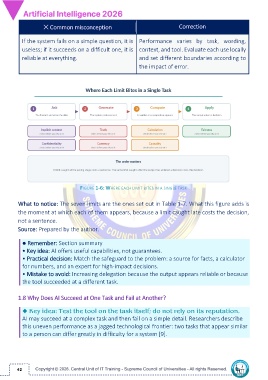
                                     FIGURE 1-6: WHERE EACH LIMIT BITES IN A SINGLE TASK


         What to notice: The seven limits are the ones set out in Table 1-7. What this figure adds is
         the moment at which each of them appears, because a limit caught late costs the decision,
         not a sentence.

         Source: Prepared by the author.

           ● Remember: Section summary

           • Key idea: AI offers useful capabilities, not guarantees.
           • Practical decision: Match the safeguard to the problem: a source for facts, a calculator
           for numbers, and an expert for high-impact decisions.
           • Mistake to avoid: Increasing delegation because the output appears reliable or because
           the tool succeeded at a different task.


         1.8 Why Does AI Succeed at One Task and Fail at Another?

           ◆ Key idea: Test the tool on the task itself; do not rely on its reputation.
           AI may succeed at a complex task and then fail on a simple detail. Researchers describe

           this uneven performance as a jagged technological frontier: two tasks that appear similar
           to a person can differ greatly in difficulty for a system [9].


         42

