


Page 175 - CyberSecurityEssentialsEnglish
P. 175
caused  by  the  initiative,  or  did  it  merely  coincide  with  it?  Breaking  the  sentence  apart
         prevents superficial verification.

         A primary source is the body or document closest to the event or the data: the officially
         published text of a law, the original research paper, an audited financial report, an official

         database,  or  the  meeting  minutes  themselves.  A  secondary  source  may  interpret  or
         summarize, but it does not replace the original for claims that matter.


         It is not enough for the system to display a link. Check that the page exists, that the title,

         author, and date match the description, and that the source actually says what is attributed
         to it. In academic work, open the paper and read the abstract, the method, and the relevant
         results; the existence of a reference does not mean the citation is accurate.


         Currency matters. Information may have been correct at an earlier date and inappropriate
         now. Record the date of verification, and check the date of the document and its effective

         date. In changing matters such as prices, software, regulations, and officeholders, use a
         current source and do not rely on the model’s prior knowledge.


         Human review does not mean hunting randomly for errors. Create a list of claims, define the
         level of evidence required, and record the outcome: confirmed, partial, conflicting, or not

         found. This process is faster and more consistent than reading the text many times with no
         plan.


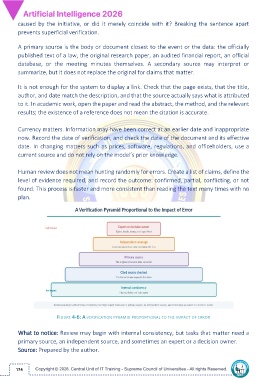
                          FIGURE 4-6: A VERIFICATION PYRAMID PROPORTIONAL TO THE IMPACT OF ERROR

         What to notice: Review may begin with internal consistency, but tasks that matter need a

         primary source, an independent source, and sometimes an expert or a decision owner.
         Source: Prepared by the author.


        174

