


Page 110 - CyberSecurityEssentialsEnglish
P. 110
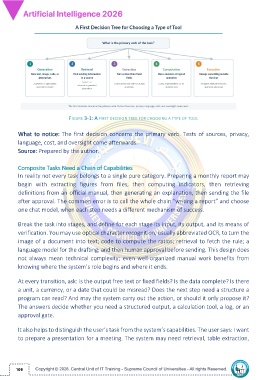
FIGURE 3-1: A FIRST DECISION TREE FOR CHOOSING A TYPE OF TOOL

         What to notice:  The first decision  concerns the primary verb. Tests of  sources,  privacy,

         language, cost, and oversight come afterwards.
         Source: Prepared by the author.


         Composite Tasks Need a Chain of Capabilities
         In reality not every task belongs to a single pure category. Preparing a monthly report may
         begin  with  extracting  figures  from  files,  then  computing  indicators,  then  retrieving

         definitions from an official manual, then generating an explanation, then sending the file
         after approval. The common error is to call the whole chain “writing a report” and choose
         one chat model, when each step needs a different mechanism of success.


         Break the task into stages, and define for each stage its input, its output, and its means of

         verification. You may use optical character recognition, usually abbreviated OCR, to turn the
         image of a document into text; code to compute the ratios; retrieval to fetch the rule; a
         language model for the drafting; and then human approval before sending. This design does

         not  always  mean  technical  complexity;  even  well-organized  manual  work  benefits  from
         knowing where the system’s role begins and where it ends.

         At every transition, ask: is the output free text or fixed fields? Is the data complete? Is there

         a unit, a currency, or a date that could be misread? Does the next step need a structure a
         program can read? And may the system carry out the action, or should it only propose it?
         The answers decide whether you need a structured output, a calculation tool, a log, or an
         approval gate.


         It also helps to distinguish the user’s task from the system’s capabilities. The user says: I want

         to prepare a presentation for a meeting. The system may need retrieval, table extraction,


        109

