


Page 161 - CyberSecurityEssentialsEnglish
P. 161
The practical benefit of the framework is that it prevents all review from being pushed to
         the end. Discovering that the data was unsuitable after uploading it is far too late, and
         discovering that the system had no current source after the decision was sent is expensive.

         Each stage prevents a different kind of error.

         TABLE 4-2: THE 4D FRAMEWORK IN ONE QUESTION PER STAGE

                Stage                     The question                          The required output

                            What is required, what is the impact of  A definition of the task and the
               Define
                              error, and what data is necessary?                     level of risk.


                                                                              The limits of the role, the
                            What do I allow the system to propose
              Delegate                                                     permissions, and the approval
                                         or to carry out?
                                                                                        point.


                             How do I know the output is correct,                A tested result and
              Discern
                               appropriate, and not misleading?                documented evidence.

                              What was used, what changed, and             A short record of the use and
             Document
                                        who reviewed it?                             the decision.


           ↻ Try it yourself: apply 4D to a recent task
           Choose a task in which you used AI during the past week. Write one sentence under each

           letter of 4D. If you cannot state the impact of error, the references, or what should be
           documented, the task has not yet been well defined.


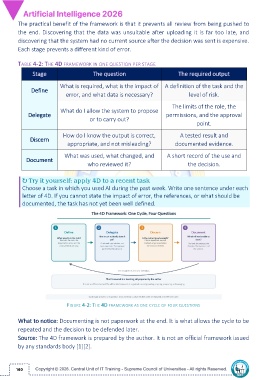
                               FIGURE 4-2: THE 4D FRAMEWORK AS ONE CYCLE OF FOUR QUESTIONS


         What to notice: Documenting is not paperwork at the end. It is what allows the cycle to be
         repeated and the decision to be defended later.

         Source: The 4D framework is prepared by the author. It is not an official framework issued
         by any standards body [1][2].


        160

